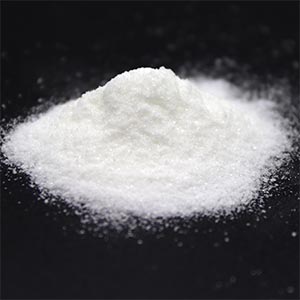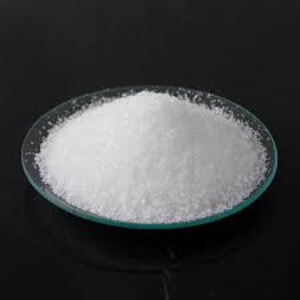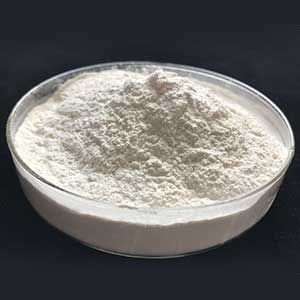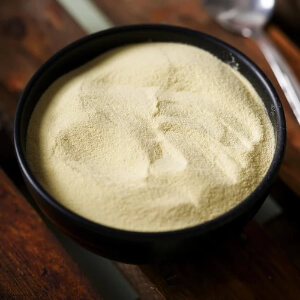


Creatine HCL
CAS No.: 17050-12-3
Creatine HCL(Creatine Hydrochloride) is a nutritional enhancer with high solubility and stability, easily absorbed by the human body. It quickly supplies energy to muscles, improves exercise performance, and enhances muscle strength and endurance. Widely used in sports nutrition and dietary supplements, it features high purity and low impurities, meeting food-grade standards as a popular ingredient for fitness and sports users.
Chempora is a leading supplier of Creatine HCL, we provide customers with high-quality Creatine HCL, if you have any requirements, please feel free to contact info@chempora.com, we will reply you as soon as possible.
Specification Available: Food Grade
Product Description of Creatine HCL
Creatine HCL(Creatine Hydrochloride) is a high-quality creatine derivative produced by chemical synthesis. Using raw materials such as arginine and glycine, it is manufactured through synthesis, purification, hydrochlorination and crystallization, featuring high purity, good water solubility and stable properties.It can convert into phosphocreatine in the body to quickly supply muscle energy, effectively improving exercise endurance, explosive power and muscle recovery while reducing fatigue.As a safe and efficient nutritional fortifier, it is widely used in sports nutrition and dietary supplements, meeting food-grade standards with better absorption efficiency than ordinary creatine.
How Does Creatine HCL work?
Creatine Hydrochloride rapidly dissociates into creatine after absorption by muscle cells. In the body, creatine participates in the ATP energy cycle and converts to phosphocreatine.During high-intensity exercise, phosphocreatine quickly regenerates ATP to supply energy for muscles, delaying fatigue and lactic acid accumulation.This improves explosive power, strength and endurance, while reducing muscle damage and accelerating recovery. It is a safe, natural energy metabolism enhancer without hormonal effects.


The Benefits of Creatine HCL
Creatine Hydrochloride is a highly effective and bioavailable sports nutrition ingredient with multiple well-documented benefits:
Boosts muscle energy supply: Quickly converts to phosphocreatine and accelerates ATP regeneration for immediate energy during high-intensity exercise.
Enhances explosive power and strength: Significantly improves performance in weightlifting, sprinting, jumping and other short-duration high-intensity activities.
Delays muscle fatigue: Reduces lactic acid buildup, allowing longer and more effective training sessions.
Supports muscle recovery and growth: Alleviates post-exercise muscle damage and promotes muscle protein synthesis for better muscle gain.
Higher solubility & faster absorption: Compared with common creatine monohydrate, it has better water solubility, less gastrointestinal discomfort, and higher absorption efficiency.
Strong stability & low hygroscopicity: More stable during storage, ideal for formulas such as powders, capsules and sports drinks.
Safe and hormone-free: Widely recognized as safe worldwide with no impact on hormone levels.
The Application of Creatine HCL
Creatine HCL boasts superior solubility, high bioavailability, and extremely low gastrointestinal side effects, making it suitable for more precise or superior applications in various fields compared to traditional Creatine Monohydrate.
Here is a detailed description of the specific application scenarios of Creatine HCL:
1. High-end sports nutrition and fitness supplement scenarios
This is the core application area of Creatine HCL at present, mainly addressing the pain points of traditional Creatine Monohydrate.
“Glass stomach” fitness enthusiasts’ muscle gain/weight training
Scenario description: Many fitness enthusiasts experience abdominal distension, diarrhea, stomach cramps, or nausea after taking traditional Creatine Monohydrate, making it impossible for them to continue taking it.
HCL application: As HCL readily dissolves in gastric acid, it does not form undissolved crystals in the stomach like Creatine Monohydrate, which can irritate the stomach wall. It is the preferred alternative for athletes with sensitive stomachs, allowing them to obtain the benefits of muscle strength enhancement and recovery without burden.
Weight-sensitive competitive events (fighting, weightlifting, gymnastics)
Scenario description: Athletes need to strictly control their weight classes or avoid the “flabby” feeling caused by subcutaneous water retention to avoid affecting movement flexibility or meeting weight requirements.
HCL application: Traditional Creatine often causes significant extracellular edema (subcutaneous water retention), while HCL, with a smaller dose (only 1.5-2 grams) and a different absorption mechanism, causes less overall weight gain and more water retention within muscle cells rather than subcutaneously. This helps athletes maintain strength while maintaining a more toned body posture.
No “loading period” for rapid preparation
Scenario description: Athletes have only a short time until the competition (such as only 1 week), and there is no time for the 5-7 days of high-dose loading period (20 grams per day) required by traditional Creatine.
HCL application: Utilizing its high absorption rate, athletes can start with a maintenance dose (3-5 grams or even lower) and reach muscle creatine saturation in a shorter time (about 3-5 days), quickly enhancing explosive power.

2. Functional food and beverage industry scenarios
This is the exclusive advantage scenario of Creatine HCL compared to other forms of Creatine.
Ready-to-drink sports beverages (RTD, Ready-to-Drink)
Scenario description: Manufacturers hope to produce transparent or clear sports beverages containing Creatine.
Challenges: Creatine Monohydrate has a very low solubility in water (about 14g/L), and it will rapidly precipitate as the temperature decreases, resulting in white powder at the bottom of the bottle and a sandy taste, which not only affects the appearance but also clogs the straw.
HCL application: The solubility of Creatine HCL is tens of times that of Creatine Monohydrate, and it can completely dissolve in water to form a clear and transparent solution. It will not precipitate even after long-term storage. This makes it the only feasible raw material for liquid Creatine supplements, energy shots, and sports functional beverages.
Small-volume high-concentration supplements (Shots/Gummies)
Scenario description: Develop portable small-packaged products, such as 60ml concentrated solutions (Shots) or gummies.
HCL application: Due to the small effective dose (5 grams for Creatine Monohydrate, 1.5-2 grams for HCL), it is easier to formulate within limited volume or weight constraints. For example, it is difficult to fit 5 grams of Creatine Monohydrate into a single gummy (the volume is too large), but it is much easier to fit 2 grams of HCL.

3. Clinical medical and rehabilitation care scenarios
In the medical field, patients have weaker physical functions and higher requirements for supplement tolerance.
Intervention for sarcopenia (Sarcopenia)
Scenario description: Elderly people have reduced digestive function, decreased gastric acid secretion, and often have problems with swallowing or poor appetite.
HCL application: Easy to Absorb: It can dissolve without relying on a large amount of gastric acid, making it suitable for the elderly with insufficient gastric acid secretion.
Small Dosage: Only a small amount of powder is needed to be mixed into a small amount of porridge, soup or juice, without changing the taste of the food or causing a feeling of fullness, which improves compliance.
Anti-diarrhea: The elderly have fragile intestines, and HCL significantly reduces the risk of diarrhea.
Auxiliary Treatment for Neuro-muscular Diseases
Scenario Description: For patients with muscular dystrophy, Parkinson’s disease, mitochondrial diseases, long-term and large-dose supplementation of creatine is needed to protect nerves and muscles.
HCL Application: Long-term and large-dose intake of monohydrate creatine is prone to causing severe gastrointestinal discomfort, leading patients to stop taking it. Switching to the HCL form can significantly improve the patient’s tolerance and ensure the continuity of the treatment plan.
Postoperative or Bed Rest Rehabilitation
Scenario Description: Patients have little activity and slow intestinal peristalsis, prone to constipation or digestive disorders.
HCL Application: Its mild nature makes it a safe choice for supplementing energy during the postoperative recovery period and preventing muscle atrophy.

4. Special Diets and Cognitive Enhancement Scenarios
Enabling the Brain of Vegetarians and Vegans
Scenario Description: Vegetarians have naturally lower reserves of creatine in their bodies, and supplementing creatine significantly improves their memory and fatigue resistance (more obvious than meat eaters).
HCL Application: Many vegetarians have more sensitive stomachs (due to a high-fiber diet), and HCL provides a milder supplementing method, especially suitable for daily cognitive enhancement supplements for mental workers, exam students, etc., avoiding affecting their learning and work state due to gastrointestinal discomfort.
Women’s Health and Body Management
Scenario Description: Women generally worry that taking creatine will cause “gaining muscle mass” or “edema”.
HCL Application: Marketing often emphasizes the characteristics of HCL, such as “no water retention” and “low-dose high efficiency”, which perfectly meets the psychological needs of female users who want to improve metabolism and firm muscles but do not want to have edema.

5. Research and Experiment Scenarios
Cell Culture Research
Scenario Description: In in vitro cell experiments, creatine needs to be added to the culture medium.
HCL Application: Due to its extremely high water solubility, HCL is easier to prepare a high-concentration mother solution and is less likely to form crystals in the culture medium that interfere with microscope observation or cell growth, making it the preferred form for laboratory research.
Precautions for Using Creatine Hydrochloride in Factories
For manufacturers, creatine hydrochloride (Creatine HCL) has relatively stable chemical properties, but due to its extremely strong hygroscopicity (easy to absorb moisture from the air) and acidic characteristics, it requires stricter control in production, storage, and logistics compared to traditional monohydrate creatine.
The following are detailed precautions for manufacturers when using and storing creatine hydrochloride:
1. Environmental control:
Humidity is the biggest enemy
Creatine hydrochloride has a significant hygroscopicity (Hygroscopic). If exposed to a humid environment, it will quickly absorb moisture and form lumps, even liquefy, resulting in inability to sieve, uneven mixing, or incorrect dosing.
Relative humidity (RH) control:
The relative humidity of the storage environment should be strictly controlled below 40% – 50%.
The ideal state is to be equipped with an industrial dehumidifier to maintain constant humidity. Once the humidity exceeds 60%, the risk of lumps increases sharply.
Temperature control:
It is recommended that the storage temperature be between 15°C – 25°C.
Avoid high temperatures (>30°C), as high temperatures will accelerate the hygroscopic process and may promote minor degradation.
Avoid temperature fluctuations: Intense temperature changes will cause condensation (the “sweating” phenomenon), directly leading to the moisture absorption of the raw materials. Warehouses should avoid being located in direct sunlight or near heat sources.
2. Packaging and sealing requirements
Due to its strong hygroscopicity, the integrity of the packaging is crucial.
Inner packaging:
It is necessary to use double-layer polyethylene (PE) bags, and the inner layer should preferably be a food-grade anti-static bag.
The seal must be made by heat sealing (Heat Sealing) to ensure airtightness. It is strictly prohibited to use only ties or simple folding.
It is recommended to place food-grade desiccants (such as silica gel or mineral desiccants) in the packaging bag to absorb any trace moisture that may penetrate during transportation.
Outer packaging:
Use sturdy fiber drums (Fiber Drum) or multi-layer corrugated boxes.
The inside of the drum/case should be lined with moisture-proof paper or aluminum foil bags.
If it is bulk packaging (ton bags), it is necessary to ensure the integrity of the inner liner film and transfer to a controlled environment as soon as possible after unloading.
Handling after opening:
Once the original packaging is opened, unused raw materials must be immediately resealed or transferred to a sealed container and filled with nitrogen gas for protection (if conditions permit).
Follow the “First In, First Out” (FIFO) principle. Opened raw materials should be used first and not stored for a long time.
3. Production equipment and corrosion prevention (key differences)
This is the biggest difference between creatine hydrochloride and monohydrate creatine. HCL is acidic (with a pH value of approximately 3-4 after dissolving in water) and has potential corrosive effects on metal equipment.
Material selection for contact:
All equipment components in direct contact with the raw material (mixing machine inner walls, screws, hoppers, pipes, molds) must use 316L stainless steel or higher standards of corrosion-resistant materials.
It is strictly prohibited to use ordinary carbon steel or untreated aluminum, otherwise it will cause equipment corrosion, which will pollute the product (excessive heavy metal content) and damage the equipment.
Cleaning and maintenance:
After production, residual powder must be immediately cleaned. If the residual substance absorbs moisture from the air and forms an acidic solution, it will corrode the equipment surface within a short period of time.
Regularly inspect the sealing parts (O-rings, gaskets) of the equipment. The acidic environment may accelerate the aging of certain rubber materials. It is recommended to use acid and alkali-resistant synthetic rubber (such as Viton).
4. Dust explosion prevention and safe operation
Creatine hydrochloride powder is fine and prone to generating dust clouds.
Explosion prevention measures:
Although the explosion lower limit of creatine itself is relatively high, any organic dust has an explosion risk at a specific concentration. The workshop should comply with dust explosion standards (such as ATEX or NFPA standards).
Equipment must be well grounded to prevent static electricity accumulation from causing sparks.
Use explosion-proof motors and electrical switches.
Personal protection (PPE):
Because HCL is slightly acidic, inhalation of the dust may irritate the respiratory tract, and contact with the eyes may cause stinging.
Operators must wear dust masks (N95 level or higher), goggles, and dust gloves.
The workshop should be equipped with eyewash stations and emergency shower facilities.
5. Quality Control (QC) Monitoring Focus
When the manufacturer conducts in-warehouse inspection and out-warehouse inspection, they should focus on the following indicators:
Moisture content (Loss on Drying, LOD): This is the most critical indicator. Generally, the moisture content should be < 1.0% or in accordance with the specific specification sheet. Excessive moisture indicates moisture absorption, which may lead to shortened shelf life.
Purity and impurities: Check for the presence of excessive chloride by-products or heavy metals (especially if there are signs of equipment corrosion).
Bulk density and fluidity: The fluidity of the wet powder decreases after moisture absorption, which will affect the weight difference during capsule filling or tablet pressing. Regularly test the angle of repose.
pH value test: Sample the pH value of 1% aqueous solution to ensure it is within the normal acidic range, excluding interference from other impurities.
6. Logistics and Transportation
Container inspection: Check the container for damage or risk of rain leakage before shipment.
Damp-proof measures: Hang container-specific drying rods inside the container and lay damp-proof pads.
Avoid transportation under extreme weather conditions: Try to avoid long-distance transportation without temperature control during the rainy season or extreme high-temperature weather. If transportation is necessary, use a temperature-controlled and humidity-controlled vehicle or install an insulation layer.
7. Emergency Plan
Leakage Handling:
Do not directly rinse the leaked powder with water (it will form an acidic solution and spread).
Use a vacuum cleaner (with explosion-proof function) or dry cleaning tools to collect it and place it in a sealed container for disposal.
Ground residue can be neutralized with a weak alkaline solution (such as dilute sodium bicarbonate solution) and then rinsed with a large amount of water.
Fire Response:
If a dust fire occurs, use dry powder fire extinguishers, carbon dioxide, or mist water. Do not use high-pressure straight water jets to impact the dust pile, as this may cause the dust to rise and cause a secondary explosion.

Why choose to buy Chempora Thioctic acid ?
Choosing to buy Creatine HCL(Creatine Hydrochloride) from Chempora offers several key advantages:
1. High-Quality Product
Chempora ensures that the Creatine HCL supplied is of high purity, meeting international quality standards, so you can trust its effectiveness and safety in formulations.
2. Reliable Sourcing
As a global supplier, Chempora has established partnerships with trusted manufacturers, ensuring a consistent and reliable supply of Creatine HC.
3. Competitive Pricing
Through its international trade network and efficient sourcing, Chempora can offer cost-effective pricing without compromising quality, making it a great option for bulk purchasing.
4. Compliance with Regulations
Chempora ensures that all products meet local and international regulatory requirements, whether for food, cosmetics, or pharmaceutical use, providing peace of mind regarding legal compliance.
5. Customization & Technical Support
Chempora offers customized packaging and provides technical support to assist with formulation, ensuring that thioctic acid works optimally in your specific product line.
6. Strong Customer Service
With its expertise in the industry, Chempora provides excellent customer service, addressing inquiries and resolving issues quickly to keep your production process smooth.
7. Global Reach
As a supplier serving a wide range of industries and countries, Chempora offers logistical advantages, ensuring timely delivery and consistent supply, no matter where you’re located.
Contact Us
CHEMPORA CO., LIMITED
Contact Person: Mr. Stephen Dean
WhatsApp & Wechat: +8615026665594
E-mail: info@chempora.com
By purchasing Creatine HCL from Chempora, you benefit from high-quality products, competitive prices, and reliable customer support, ensuring your production runs smoothly.
More Product Recommendations
Chempora is a professional supplier of nutritional supplements, food additives, and feed additives. In addition to providing you with Creatine HCL , we can also provide you with other food additives. We look forward to your message.