

Feed Grade Lutein
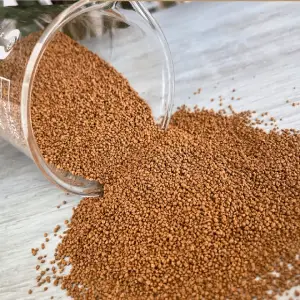
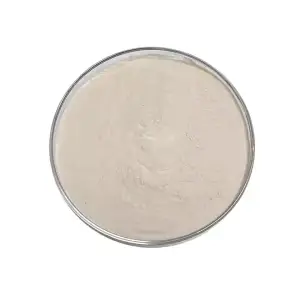
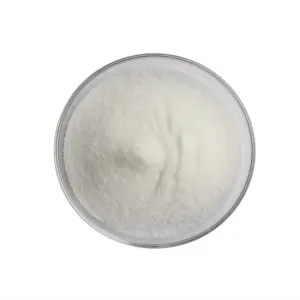
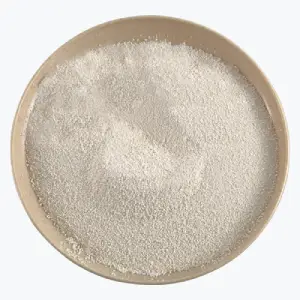
Feed Grade Lutein is a natural carotenoid extracted from marigold. It is a food-grade safe raw material and can be used as a nutritional fortifier and natural colorant. It can help filter blue light, protect the retina, and relieve eye fatigue. The human body cannot synthesize it on its own and it needs to be supplemented externally. It is widely used in dairy products, beverages, baking and functional foods, and is safe and stable, possessing both nutritional and coloring properties.
Chempora is a leading supplier of Feed Grade Lutein, we provide customers with high quality Feed Grade Lutein , if you have any requirements, please feel free to contact info@chempora.com, we will reply you as soon as possible.
CAS No.:127-40-2
MOQ: 25 kg
Specification Available: Feed Grade
Product Parameter of Feed Grade Lutein
Food Grade Lutein is a natural and safe type of carotenoid. It is mainly refined from the flowers of the safflower and consists of lutein esters and free lutein. It complies with the national safety standards for food additives. It is an important nutrient for the macula area of the human retina, with functions such as antioxidation, filtering blue light, and protecting vision. The human body cannot synthesize it on its own and needs to be supplemented through diet. As a food raw material, it has good stability and natural color, and can be used as a nutritional fortifier and natural colorant. It is widely applied in dairy products, beverages, baked foods, candies, edible oils, and various functional foods, balancing nutritional enhancement and food coloring. It is currently a widely used eye-protecting food raw material.
| Items | Result |
|---|---|
| Appearance | Orange-yellow crystalline powder |
| Purity | 5%,10%,20%, etc. |
| Molecular Formula | C40H56O2 |
| Molecular Weight | 568.88 g/mol |
| Solubility | Insoluble in water, soluble in oils |
| Test Methods | HPLC, UV-Vis |
| OEM Service | Available |
| ODM Service | Available |
The main component of Lutein
The main components of lutein can be understood from two perspectives: the chemical substance itself and common sources.
In simple terms, lutein is a specific chemical substance with a definite molecular structure. It belongs to the carotenoid family and is an important pigment that contributes to the color of our eyes and many plants.
From a chemical composition perspective, lutein is a natural pigment consisting of 40 carbon atoms, 56 hydrogen atoms and 2 oxygen atoms. It belongs to the group of oxygen-containing compounds within the carotenoid family, and thus possesses some unique properties, such as being insoluble in water but soluble in certain organic solvents.
In nature and in supplements, lutein is usually found in combination with its “companion” – zeaxanthin. Together, they form the main pigment in the macular area of the human eye’s retina. The human body cannot synthesize lutein on its own and must obtain it through diet or supplements.


The source of Lutein in food
1. Dark green leafy vegetables (highest content)
This is the richest source of lutein, and the darker the color, the higher the content usually is.
Spinach: Known as the “champion” of lutein. Cooked spinach not only has a small volume and is easy to consume in large quantities, but also after the cell walls are broken, the bioavailability of lutein will significantly increase.
Kale (Kale): Extremely high content, it is an important source of lutein in Western diets.
Broccoli, cauliflower: Cruciferous vegetables are also good sources.
Coriander, parsley: Although the single-portion consumption may not be large, the lutein content per unit weight is extremely astonishing.
Others: Lettuce, Chinese cabbage, Chinese chives, etc.
2. Orange-yellow fruits and vegetables (rich in lutein and zeaxanthin)
These foods usually contain both lutein and its structurally similar zeaxanthin, which work together to protect the eyes.
Corn: Especially yellow corn, is a good source in daily staple foods.
Pumpkin: Contains rich carotenoids.
Citrus fruits: such as oranges, tangerines.
Mangoes, papayas, kiwis.
3. Egg yolks (best absorption rate)
Although the absolute content of lutein in egg yolks is not as high as that in dark green vegetables, its biological utilization rate (absorption rate) is very high.
Lutein is fat-soluble, and the natural fats and lecithin in egg yolks can help the human body absorb lutein better.
Studies have shown that the effect of obtaining lutein from one egg may be equivalent to that from a large amount of raw vegetables.


The Application of Feed Grade Lutein
Feed-grade lutein (usually extracted from marigold) plays a crucial role in the livestock and aquaculture industries. Unlike food-grade and medicinal-grade lutein, the core functions of feed-grade lutein mainly focus on improving the appearance and color of animal products, enhancing product quality, and boosting the animals’ own antioxidant capacity.
Here are the main application scenarios of feed-grade lutein:
1. Poultry farming (the most core application area)
This is the scenario where the usage of feed-grade lutein is the largest, mainly used to solve the problem of pale body color in intensive farming due to the lack of natural green feed.
Egg-laying chicken farming (egg yolk coloring):
Function: Lutein can efficiently deposit in the egg yolk, changing the color from light yellow to the preferred deep orange or golden yellow.
Value: The color of the egg yolk is an important intuitive indicator for consumers to judge the freshness and nutritional value of eggs. Dark-colored egg yolks are usually considered of better quality and can significantly increase the market price and competitiveness of eggs.
Application: Added to the egg-laying chicken feed or premix, usually starting to add a few weeks before the laying period to achieve the desired color.
Broiler farming (skin and foot-tendon coloring):
Function: Makes the skin, fat, and foot-tendons of broilers present an attractive golden color.
Value: In many markets (especially in southern China, the Middle East, and parts of Europe), yellow-skinned chickens are more popular and have a higher price. Feed-grade lutein can help white-feathered broilers or other breeds achieve the visual effect of “wild chickens”.
Efficiency: Studies have shown that a continuous feeding of 7-14 days can observe a significant coloring effect.
Breeding of breeding stock:
Function: Besides coloring, lutein as a strong antioxidant can improve the fertilization rate, hatching rate of eggs, and enhance the immunity and early survival rate of chicks.
2. Aquaculture
Aquatic animals cannot synthesize carotenoids themselves and must obtain them from feed; otherwise, their body color will fade, affecting sales.
Aquatic ornamental fish:
Function: Significantly enhance the red and yellow pigment deposition in ornamental fish such as koi and goldfish, making their colors more vivid and eye-catching, directly improving the ornamental value and market price.
Economic fish (such as salmon, trout, and snapper):
Function: Although astaxanthin is often used for coloring in salmon, lutein is also often used for the coloring of certain freshwater and marine fish to simulate the natural color of wild fish.
Value: Bright color is a key standard for consumers to judge whether aquatic products are wild or of high quality.
Crustaceans (shrimp, crab):
Function: Promote the coloring of the shells and muscles of shrimp and crabs, making them present a more vibrant red or orange color after cooking (lutein can be converted into other pigments or work synergistically during heating or metabolism).
Cycle: Usually requires continuous feeding for 30-40 days to achieve a stable coloring effect.
3. Pet food
With the development of the “humanization” trend in pet care, pet owners have increasingly higher requirements for the appearance and health functions of pet food.
Dog and cat food:
Appearance improvement: Adding lutein can make the dog food particles present a natural golden color, increasing the appetite; long-term consumption helps improve the luster of pet fur.
Health function: Utilizing its antioxidant properties, it helps pets protect their vision (especially the macula health of elderly dogs and cats), delay eye aging, and enhance the immune system.
4. Other special breeding
Turkeys, quails, pigeons: Also used for coloring the skin and egg yolks, meeting the consumption preferences of specific markets.
Fur animals (such as foxes, water fowl): Although mainly focusing on the quality of fur, carotenoids have certain auxiliary effects on the health of hair follicles and the luster of fur.
How to Use Feed Grade Lutein ?
The use of feed-grade lutein (typically in the form of marigold extract, containing lutein or lutein esters) requires scientific methods to ensure the best coloring effect, controllable costs, and animal health. Due to its lipid-soluble nature, susceptibility to oxidation, and the need for a certain time for deposition, the following key steps and principles should be followed when using it:
1. Select the appropriate form
Choose based on the scale of farming and the processing method of the feed:
Microcapsule powder: The most commonly used. After encapsulation treatment, it has good stability, can withstand high temperatures, and is suitable for adding to pellet feed or premixes, dispersing evenly.
Oil-based/liquid: Higher absorption rate, but prone to oxidation. Antioxidants need to be added, usually used in liquid feed or sprayed at the final stage of mixing.
Granular: Convenient for transportation and storage, suitable for large feed factories.
2. Determine the addition amount (core step)
There is no fixed standard for the addition amount, which needs to be adjusted according to the target color, basic feed composition, animal breed, and feeding cycle.
Reference range (based on pure lutein content):
Egg-laying chickens: Usually 10-40 mg/kg of feed. To achieve deep orange egg yolks (Roche color scale 12-14), a higher dose may be required.
Broilers: Usually 20-60 mg/kg of feed. Skin coloring is more difficult to achieve than egg yolks, requiring a higher concentration.
Aquatic (shrimp/fish): Usually 50-100 mg/kg or higher, and requires a longer feeding period (30 days or more).
Note: Excessive addition not only wastes costs but also may cause overly deep coloring (such as egg yolks turning reddish-brown), causing consumer aversion and even affecting palatability. It is recommended to conduct small-scale trials first to determine the optimal cost-effective dose.
3. Master the timing and cycle of addition
Lutein deposition in animals is a gradual process, not immediate.
Early addition:
Egg-laying chickens: Suggested to start adding 2-3 weeks before laying begins, so that the egg yolks reach the desired color in the early laying period.
Broilers: Suggested to concentrate on strengthening addition 2-3 weeks before slaughter (initially, a small amount or no addition can be used), as the deposition efficiency is highest in the later stage.
Aquatic: Usually requires continuous feeding for 4-6 weeks to see significant effects.
Continuous supply: Once the addition stops, the lutein in the animal’s body will gradually be lost through metabolism, and the color will fade. Therefore, it is necessary to continue supplying during the key periods of market release or egg production.
4. Optimize the formula to improve absorption rate (key technique)
Lutein is lipid-soluble, and its absorption is highly dependent on fat.
Combine with oils: Ensure the feed contains an appropriate amount of oil (such as soybean oil, fish oil, phospholipids, etc., usually recommended 3%-5% or more). If the feed is too lean (low in fat), the absorption rate of lutein will significantly decrease, resulting in waste.
Synergistic effect:
Vitamin E: As an antioxidant, it protects lutein from oxidation and degradation in the digestive tract, and protects cell membranes, promoting deposition.
Emulsifiers: In low-fat feed, adding emulsifiers can help lutein disperse and absorb better.
Avoid antagonism: Pay attention to the ratio of other pigments (such as capsanthin, astaxanthin) in the feed, avoiding color conflicts or competition for absorption.
5. Processing technology precautions
Mixing uniformity: Due to the extremely low addition amount (ppm level), a stepwise dilution method must be used. First, mix lutein with a small amount of carrier (such as corn flour) to make a premix, then add it to a large mixer to ensure consistent content in each feed particle, otherwise, there will be significant color differences among individual animals.
Temperature control: Although microcapsule products are resistant to high temperatures, during the granulation process, try to control the temperature to no more than 80-90°C and shorten the time of high-temperature exposure to reduce active loss.
Avoid light exposure: Raw materials and finished feed should be stored in a cool, dry, and dark place to prevent leafy yellow pigment decomposition and fading due to ultraviolet light.
6. Monitoring and adjustment Regular testing:
Use the Roche Yolk Color Fan or colorimeter to conduct regular tests on the color of egg yolks/skins.
Dynamic adjustment:
If the color is too light: Check if the oil content is sufficient, if the mixture is uniform, or increase the addition amount appropriately.
If the color is unstable: Check for batch differences in raw materials (the content of marigold extract in different batches may fluctuate), and retest the raw material potency and adjust the formula.
Impact of basic feed: If the feed contains a large amount of corn, corn protein powder, or alfalfa powder (which naturally contain lutein), reduce the addition amount of exogenous lutein; if the main raw materials are wheat, rice (with low lutein content), then increase the addition amount.
Contact Us
CHEMPORA CO., LIMITED
Contact Person: Mr. Stephen Dean
WhatsApp & Wechat: +8615026665594
E-mail: info@chempora.com
More Product Recommendations
In addition to providing you with Feed Grade DL-Methionine , we can also provide you with other animal feed additives, food additives, nutritional enhancers and fine chemicals.