

Feed Grade Turmeric Powder
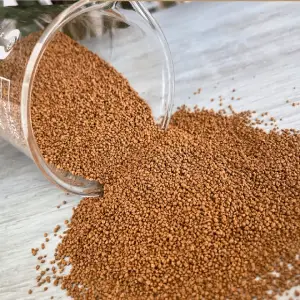
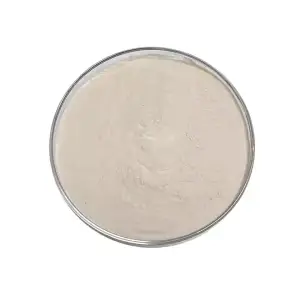
Feed Grade Turmeric Powder is refined from high-quality turmeric roots. It is a natural yellow powder rich in curcumin. It has antioxidant, anti-inflammatory, intestinal protection, immune enhancement, growth promotion properties. It is also naturally colored, improving the color of poultry meat, eggs and aquatic products. It is green and safe, suitable for adding to livestock and aquatic feed to enhance breeding efficiency and product quality.
Chempora is a leading supplier of Feed Grade Turmeric Powder , we provide customers with high quality Feed Grade Turmeric Powder , if you have any requirements, please feel free to contact info@chempora.com, we will reply you as soon as possible.
CAS No.:458-37-7
MOQ: 20 kg
Specification Available: Feed Grade
Product Parameter of Feed Grade Turmeric Powder
Feed-grade turmeric powder is made from high-quality turmeric roots through refined processing. It is naturally safe and rich in active ingredients such as curcumin. It has functions such as antioxidation, anti-inflammation, enhancing the body’s immunity, and improving intestinal health. It can improve the animal’s stress resistance and production performance, and at the same time, it has natural coloring properties, effectively improving the color of poultry eggs and meat products, and enhancing product quality. It is suitable for adding to livestock and poultry feed (such as pigs, chickens, ducks, geese, etc.) and aquatic animal feed. It has no residues and no toxic side effects. It is a green and healthy functional feed raw material, helping to achieve efficient and ecological farming.
| Testing Item | Specification | Test Result |
|---|---|---|
| Appearance | Yellow Orange Powder | Complies |
| Odor | Characteristic | Complies |
| Taste | Characteristic | Complies |
| Moisture | ≤5.0% | 0.27% |
| Ash | ≤5.0% | 0.09% |
| Curcuminoids | ≥95% | 96.73% |
| Curcumin | 70%-80% | 72.49% |
| Demethoxycurcumin | 15%-25% | 17.74% |
| Bisdemethoxycurcumin | 2.5%-6.5% | 6.50% |
| Particle Size | 100% Through 80 Mesh | Complies |
| Residual Solvent | Meet Eur.Ph.6.0 <5.4> | Complies |
The Component of Feed Grade Turmeric Powder
Feed-grade Turmeric Powder is a powdered feed additive made from the dried rhizomes of the plant Curcuma longa L., through physical processes such as cleaning, drying, and grinding. Compared to edible-grade or medicinal-grade, feed-grade focuses more on cost-effectiveness, safety (control of heavy metals and pesticide residues), and the stability of active ingredients.
Here is a detailed interpretation of the components of feed-grade turmeric powder:
1. Core active ingredients (functional components)
These are the key substances in turmeric powder that play a role in promoting growth, antioxidation, anti-inflammation, and coloring in the feed.A. Curcuminoids
This is the main bioactive component in turmeric powder, typically accounting for 2% – 6% of the total weight (depending on the origin of the raw materials and processing methods, feed-grade extracts can reach up to 5% – 95%, but ordinary ground powder is usually around 3%). It is not a single substance, but a mixture of three main structures:
Curcumin (Curcumin): The most abundant, accounting for 70% – 80% of the total curcuminoids. It has the strongest antioxidant and anti-inflammatory activity.
Chemical formula: C21H20O6C21
Demethoxycurcumin: Approximately 15% – 20%.
Bisdemethoxycurcumin: Approximately 10% – 15%.
Function: Eliminate free radicals, protect intestinal mucosa, inhibit pathogenic bacteria, improve meat quality (antioxidant to prevent meat oxidation and discoloration), and act as a natural coloring agent to make egg yolks or chicken skin golden yellow.
B. Volatile Oil (Turmeric Oil / Essential Oil)
Content is approximately 3% – 7%. The volatile oil gives turmeric its unique aroma and has significant antibacterial and insect-repellent effects. The main components include:
Turmerone: The highest content in the volatile oil, with anti-inflammatory and neuroprotective effects.
Ar-turmerone
Zingiberene
Phellandrene
Borneol
Curdumenol
Function: Stimulate animal appetite (attractant), inhibit harmful bacteria in the intestines (such as Escherichia coli, Salmonella), and promote the secretion of digestive juices.
2. Regular Nutritional Components (Basic Carrier)
As a powder of plant roots and stems, turmeric powder itself also contains certain basic nutritional substances, although the addition amount is small (usually 0.1% – 1% in feed), it can still provide a minor contribution.
Carbohydrates: The highest content, approximately 60% – 70%. Mainly starch and polysaccharides (such as turmeric polysaccharides, with immunomodulatory effects).
Crude Protein: Approximately 6% – 8%.
Crude Fat: Approximately 5% – 10% (including the above volatile oil and fixed oil).
Crude Fiber: Approximately 2% – 7%.
Water: The feed standard usually requires ≤ 10% – 12% to prevent mold.
Ash (Minerals): Approximately 3% – 7%. Rich in potassium, magnesium, calcium, iron, zinc, etc. trace elements.


Food Grade Turmeric Powder VS Feed Grade Turmeric Powder
Feed-grade turmeric powder and food-grade turmeric powder, although they share the same raw material source (the roots and stems of the ginger plant Curcuma longa), have significant differences in execution standards, safety indicators, processing techniques, effective component content, and applications.
In simple terms: Food-grade is for human consumption, with extremely strict standards, aiming for taste and purity; feed-grade is for animals, pursuing cost-effectiveness, functionality, and safety for large-dose use.
Here is a detailed comparison analysis:
1、Core Comparison Table
| Comparison Dimension | Food Grade Turmeric Powder | Feed Grade Turmeric Powder |
|---|---|---|
| Applicable Objects | Direct human consumption (condiments, health products, pigments) | Livestock, poultry, aquatic animals (additives, premixes) |
| Implementation Standards | Very strict (e.g., China GB 2760, GB 31645; US FCC; EU standards) | Strict but with different focuses (e.g., China GB 13078 Hygienic Standard; feed additive regulations) |
| Heavy Metal Limits | Very strict (Lead < 1-2mg/kg, Arsenic < 1mg/kg, etc.) | Relatively loose (Lead usually < 10-20mg/kg, depending on specific animal species) |
| Microbial Indicators | Strict control of pathogenic bacteria, total bacterial count, mycotoxins | Focus on controlling Salmonella, slightly lower requirements for total bacterial count |
| Pesticide Residues | Must comply with strict pesticide residue limit standards | Requirements exist, but testing items and limit values are usually fewer than food grade |
| Sensory Requirements | Bright color, pure aroma, no off-odor, delicate taste | Normal color, no mildew, no caking, no taste requirements |
| Particle Fineness | Usually very fine (80-120 mesh or more), good taste | Wide range (60-100 mesh), as long as it is evenly mixed |
| Active Ingredients | Stable curcumin content, usually clearly marked (2%-95%) | Content fluctuates greatly, often sold by "total curcumin" or "extract multiple" |
| Price Cost | High (due to high testing costs and large losses) | Low (large-scale production, shared testing costs, high cost-effectiveness) |
| Main Uses | Curry powder, beverage coloring, capsule filling, baking | Poultry coloring (egg yolk/chicken skin), antibiotic replacement and growth promotion, anti-oxidation |
2. Interpretation of Depth Differences
A. Safety Indicators (The Most Critical Difference)
Heavy metals and pollutants:
Food grade: Due to the higher risk of long-term cumulative intake by humans, countries have extremely strict limits on lead, arsenic, mercury, and cadmium. For example, the EU has very low limits for lead in spices.
Feed grade: Although there are also limits, considering the short metabolic cycle of animals (such as 40 days for broiler chickens), and the different deposition rates of some heavy metals in animals, the allowed upper limit is usually higher than that of food grade. However, it is necessary to ensure that the residues in the final animal products (meat, eggs, milk) do not exceed the limit.
Microorganisms and toxins:
Food grade: For pathogenic bacteria such as Escherichia coli, Salmonella, and Staphylococcus aureus, it is usually “not detectable”, and the control of fungal toxins such as aflatoxin is extremely strict.
Feed grade: Salmonella is usually “not detectable” (especially for poultry feed), but the tolerance for general bacterial counts is slightly higher. The key point is to prevent animal poisoning caused by mold in the feed.
Pesticide residues:
Food grade requires the detection of dozens or even hundreds of pesticide residues, and the limits are extremely low. Feed grade also conducts detection, but the items are fewer, mainly focusing on highly toxic pesticides.
B. Processing Techniques and Sensory Characteristics
Food grade:
Cleaning and sterilization: After multiple fine cleaning processes, irradiation sterilization or steam sterilization is often used to ensure sterility.
Flavor retention: During processing, the unique pungent flavor of turmeric is usually retained because people are sensitive to the taste.
Appearance: The color must be bright orange-yellow, without impurities or black spots.
Feed grade:
Process simplification: The cleaning and drying processes may not be as fine as those in food grade, as long as they meet hygiene standards.
Flavor: More emphasis is placed on the actual efficacy of volatile oils (attracting food, antibacterial), and the “pleasantness” of the odor is not sensitive.
Carrier: Sometimes, silica or other anti-caking agents are added, or the feed is mixed with corn starch and other carriers to form premixes, which are convenient for uniform mixing in large-tonnage feed.
C. Definition of Active Components (Curcumin)
Food grade:
When sold as a natural pigment (E100) or a spice, the label must precisely indicate the curcumin content, and the stability requirement between batches is high to ensure consistent food color.
Feed grade:
Regular powder: Directly using the crushed roots and stems, the curcumin content is greatly affected by the origin (2%-4%), and there may be fluctuations between batches.
Extract: To achieve a specific coloring effect (such as making egg yolks reach a Roche color ratio of 10 or above), feed factories often purchase standardized extracts (such as 10% or 20% curcumin), at this time, the content accuracy is also very high, but the main assessment is the coloring efficiency and biological utilization.
D. Cost and Economy
Food grade: Due to the high cost of testing (full-item testing per batch), lower yield (excluding defective parts), and stricter quality control, the price is usually 2-5 times or even higher than that of feed grade.
Feed grade: Through large-scale production and targeted testing (only key indicators are tested), costs can be significantly reduced. The livestock industry is extremely sensitive to costs, using food-grade turmeric powder would significantly increase production costs and is usually uneconomical.
The Application of Feed Grade Turmeric Powder
Feed-grade turmeric powder, with its multiple benefits such as natural coloring, antioxidant properties, anti-inflammatory and antibacterial effects, and promoting growth, is widely used in modern livestock and aquaculture. It is one of the important functional additives in the “antibiotic substitution” era.
The following are the main application scenarios and detailed explanations of the specific effects of feed-grade turmeric powder:
1. Poultry farming (the most widely used field)
Poultry have a good deposition effect on curcumin and are sensitive to intestinal health. It is the largest application market for turmeric powder.
Egg-laying chicken/egg-laying duck farming:
Egg yolk coloring: This is the most classic application. Curcumin is a lipid-soluble pigment that can efficiently deposit in egg yolks, changing the color from light yellow to deep orange (increasing the Roche color reading), meeting consumers’ visual preference for “farm eggs” or high-quality egg yolks, and replacing synthetic pigments (such as Galixine Red/Yellow).
Improving eggshell quality: Through antioxidant effects, it reduces uterine inflammation, indirectly improving eggshell strength and color.
Extending peak laying period: Alleviating heat stress and maintaining laying rate.
Broiler/ broiler duck farming:
Skin and foot-tendon coloring: Making the chicken skin and foot-tendons of slaughtered chickens present an attractive golden color, improving the market appearance (especially in Asian and European markets).
Antibiotic substitution: The volatile oil and curcumin of turmeric can inhibit pathogenic bacteria such as Escherichia coli and Salmonella, prevent necrotic enteritis, reduce diarrhea, and lower mortality rate.
Improving meat quality: The antioxidant properties can prevent fat oxidation in chilled meat (off-flavor), maintaining tender and juicy meat quality, and extending shelf life.
2. Aquaculture (high-value application)
Aquatic animals cannot synthesize carotenoids themselves and must obtain them from feed. Turmeric powder is an important source of pigment.
Aquarium fish (Koi, Goldfish, Tropical Fish):
Color enhancement: Significantly enhancing the vividness of red and yellow-colored ornamental fish, improving their ornamental value and market price.
Economic fish (such as Rainbow Trout, Redfish, Yellowfin Tuna):
Muscle coloring: Making the fish meat present a natural pink or golden color, simulating the color of wild fish, and increasing consumers’ purchase desire.
Liver and gallbladder protection: Aquatic feed usually has a high fat content, which can cause fatty liver in fish. Turmeric powder can promote bile secretion, accelerate fat metabolism, prevent liver and gallbladder syndrome, and increase survival rate.
Crustaceans (Shrimp, Crab):
Shell coloring: Helping shrimp and crabs form bright red or orange shells (better results can be achieved with the combination of other pigments such as astaxanthin).
Immune enhancement: Improving the resistance of shrimp and crabs to viruses and bacteria, reducing mortality.
Ruminants (Cattle, Sheep)
Beef cattle:
Milk coloring: Can make butter and cream color more golden (especially in winter when feeding on hay).
Preventing ketosis: Promoting fat metabolism, reducing the occurrence of ketosis in pregnant cows during the perinatal period.
Breast health: Assisting in the treatment or prevention of mastitis, reducing cell counts in the body.
Lactating cows:
Anti-inflammatory health care: Preventing postpartum milk production syndrome (MMA), reducing uterine inflammation, shortening the parturition period, and increasing the birth weight and uniformity of calves.
3. Swine farming
Although the coloring requirement for pigs is not as obvious as for poultry (pork does not need yellow), their health care functions are highly valued.
Piglets (weaned piglets):
Anti-diarrhea: Weaning stress often leads to diarrhea in piglets. The antibacterial and anti-inflammatory effects of turmeric powder can maintain the integrity of the intestinal mucosa, significantly reducing the diarrhea rate after weaning.
Attracting appetite and promoting growth: The unique pungent smell can stimulate the appetite of piglets, increasing feed intake and daily weight gain.
Growth pig:
Improving meat quality: Long-term addition can improve the antioxidant capacity of pork, reduce water loss during dripping, improve meat color (making it more red rather than dark red), and extend shelf life.
Reducing off-flavor: Helps improve the flavor of pork.
Sows:
Anti-inflammatory health care: Preventing postpartum milk production syndrome (MMA), reducing uterine inflammation, shortening the parturition period, and increasing the birth weight and uniformity of calves.
4. Ruminants (Cattle, Sheep)
Cattle:
Milk coloring: Can make butter and cream color more golden (especially in winter when feeding on hay).
Preventing ketosis: Promoting fat metabolism, reducing the occurrence of ketosis in pregnant cows during the perinatal period.
Breast health: Assisting in the treatment or prevention of mastitis, reducing cell counts in the body.
5. Pet Food (Cats, Dogs)
With the trend of pet luxuryization, the application of turmeric powder in pet food has grown rapidly.
Functional food: Utilizing its powerful anti-inflammatory properties, it is used in joint care food (to relieve arthritis), senior dog and cat food (to prevent aging and protect the brain).
Natural preservation and coloring: Replacing artificial synthetic dyes (such as lemon yellow, sunset yellow) and chemical preservatives (such as BHT/BHA), catering to the market demand for “clean label” (Clean Label).
Gastrointestinal regulation: For pets with sensitive intestines, adding turmeric powder to regulate the intestinal flora and reduce loose stools.
6. Specialized Breeding and Economic Animals
Fur animals (mink, fox): Improving the luster and color of the fur, and enhancing the grade of the fur.
Bees: A small amount of addition can enhance the immunity of bees and prevent larval putrefaction disease.
How to Use Feed Grade Turmeric Powder ?
Feed-grade turmeric powder is mainly used by adding it to the feed mixture. The core principle is to pre-mix it first, then evenly blend it into the complete feed, and adjust the addition amount according to the species, stage and target of the livestock or aquatic products.
I. General usage process (applicable to all animals)
Pre-treatment (key point, dust prevention, uniformity prevention)
Oil pre-mix: Turmeric powder: vegetable oil = 10:1 (e.g. 1kg powder + 100g soybean oil), stir until fully adsorbed.
Carrier pre-mix: Mix with a small amount of corn flour, bran, pre-mix first, then add the main ingredient.
Accurate weighing: Use an electronic scale to precisely weigh according to the target addition amount.
Full mixing: Stir with a mixer for ≥ 3 minutes to ensure the coefficient of variation of uniformity ≤ 7%.
Feeding method: Directly mix it into the powder feed / pellet feed, feed twice to three times a day.
Usage period: Regular health care for 28–42 days, stop for 7 days before recycling; disease-assisted treatment for 7–10 days.
II. Addition amount and target (kg / ton of feed)
1. Pigs (curcumin ≥ 3%, feed grade)
Piglets: 0.1%–0.3% (1–3kg / ton), prevent diarrhea, promote growth, improve immunity.
Feeding pigs: 0.3%–0.5% (3–5kg / ton), accelerate fattening, improve coat, reduce feed conversion ratio.
Sows (pre-conception / lactation): 0.2%–0.4% (2–4kg / ton), increase piglet survival rate and robustness.
2. Poultry (chickens / ducks / geese)
Broilers: 1–1.5kg / ton, promote growth, improve immunity, improve meat color.
Laying hens: 1–1.5kg / ton, increase egg production rate, reduce egg yolk cholesterol, improve egg color.
3. Aquatic products (fish / shrimp)
Common fish / carp (regular): 3–3.5kg / ton, promote growth, prevent enteritis, improve feed utilization rate.
High incidence of enteritis period: 4kg / ton, use for 7–10 days.
Bighead carp / yellow catfish (coloring): 3.5–4kg / ton, used until the end of the production period before going to market.
South African white shrimp: 2–2.5kg / ton for seedlings, 3–3.5kg / ton for growth period.
III. Precautions
Raw material selection: Use feed-grade, curcumin ≥ 3%, without mold, with qualified heavy metal / aflatoxin.
First use: Start from a low dose, observe feeding and feces, gradually increase to the recommended amount.
Combinations: Can be used in combination with allicin, astragalus, probiotics, enhance efficacy; avoid using with strong oxidants.
Storage: Cool and dry, sealed, prevent oxidation, prevent moisture.
Contact Us
CHEMPORA CO., LIMITED
Contact Person: Mr. Stephen Dean
WhatsApp & Wechat: +8615026665594
E-mail: info@chempora.com
More Product Recommendations
In addition to providing you with Feed Grade DL-Methionine , we can also provide you with other animal feed additives, food additives, nutritional enhancers and fine chemicals.