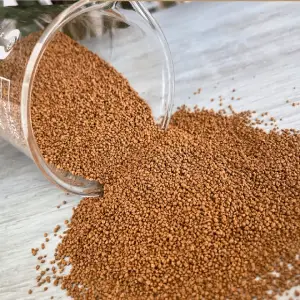
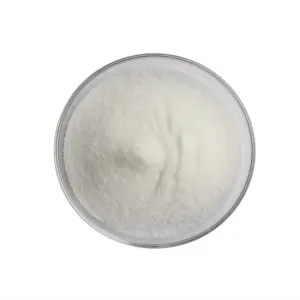
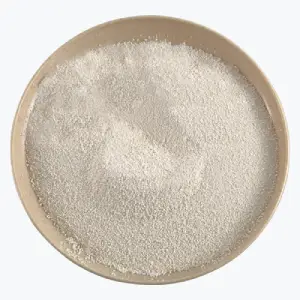
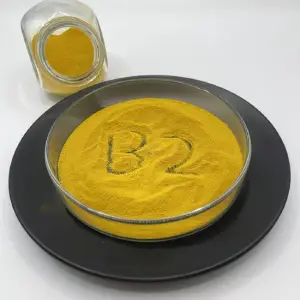
Guanidinoacetic Acid (GAA) is a natural precursor substance for the synthesis of creatine in animals. By promoting endogenous creatine synthesis, it optimizes the energy metabolism system. As an efficient, safe and environmentally friendly nutritional additive, GAA has been widely used and recognized in the global livestock breeding industry.
Chempora is a leading supplier of Feed Grade Guanidinoacetic Acid, we provide customers with high quality Guanidinoacetic Acid, if you have any requirements, please feel free to contact info@chempora.com, we will reply you as soon as possible.
Guanidinoacetic Acid is the direct precursor of creatine and can be converted into creatine in the body, enhancing ATP energy regeneration and improving muscle energy supply. It promotes muscle growth, increases lean meat ratio, improves feed conversion efficiency, and also enhances stress resistance and antioxidant capacity. It is commonly used in sports nutrition and livestock breeding to help improve growth performance, optimize body shape and meat quality.
Solubility:Soluble in water, extremely sparingly soluble in ethanol and ether.
ITEMS
SPECIFICATION
Appearance
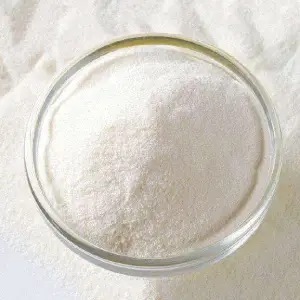
White crystalline powder, odorless
Purity
≥98%
CAS Number
352-97-6
Molecular Formula
C3H7N3O2
Molecular Weight
117.11 g/mol
Test Methods
HPLC, NMR
Sample
Available (10-20g/bag)
Guanidinic acid content (calculated on a dry basis)
98%
Moisture
≤1.0%
Crude ash
≤0.5%
Cyanamide
≤0.03%
Dicyandiamide
≤0.5%
Heavy metals
Strictly limited
How does Guanidinoacetic Acid function?
Guanidinobutyric acid is a naturally occurring precursor substance of creatine in animals. Its core functions revolve around three pathways: energy metabolism, muscle synthesis, and growth regulation. The mechanism is clear and quantifiable:
1.As the direct precursor of creatine, it participates in the key synthesis pathways in the body.
The body’s creatine is mainly synthesized from arginine, glycine, and methionine. The first step is to generate guanidinobutyric acid, which is then methylated to form creatine.
Exogenous supplementation of GAA can directly bypass the limiting steps and significantly increase the efficiency of creatine synthesis, saving the body’s limited amino acids such as arginine and methionine.
2. Enhances rapid ATP regeneration, improving energy supply capacity
After entering muscle cells, creatine is converted into phosphocreatine (PCr).
Phosphocreatine is the reserve pool of high-energy phosphate bonds in the muscles, which can rapidly regenerate ATP under conditions such as high-intensity exercise, stress, and hypoxia, ensuring the energy requirements for muscle contraction, nerve conduction, and internal organ metabolism.
3. Promotes muscle protein synthesis and reduces protein degradation
GAA activates the mTOR signaling pathway, promoting muscle protein synthesis;
At the same time, it inhibits protein degradation-related pathways, increasing lean meat ratio, increasing muscle mass, and improving body condition.
4. Optimizes energy metabolism efficiency and reduces overall consumption
Improves mitochondrial function, enhances cellular oxidative metabolic capacity, and makes energy utilization more efficient.
For farmed animals, it shows a decrease in feed-to-meat ratio and an increase in growth rate;
For athletes, it shows improved endurance, delayed fatigue, and faster recovery.
5. Antioxidant and anti-stress effects
Stabilizes cell membranes, reduces free radical damage, improves the body’s anti-stress, anti-fatigue, and antioxidant capabilities, and protects the normal functions of tissues such as the liver and muscles.
GAA efficiently synthesizes creatine, enhancing ATP energy supply, promoting muscle synthesis, optimizing metabolism, and improving stress resistance. It is the core mechanism for enhancing growth, production, and athletic performance.
Guanidinoacetic Acid-Feed Grade
Guanidinoacetic Acid-Feed Grade
Core Advantage of Guanidinoacetic Acid
1. Advantages in Physical Properties
Uniform particle size, good fluidity and stable qualityAssayed by high performance liquid chromatography (HPLC) with accurate and reliable contentLow impurity content, no residue riskLow glycine content, resistant to caking
2. High-efficiency Performance Improvement
Increase daily weight gainImprove feed conversion rateRaise dressing percentageOptimize animal body shape and increase lean meat percentage by enhancing creatine phosphate synthesis
3. Remarkable Economic Benefits
Low addition cost per ton of feedInput-output ratio up to more than 1:5Shorten breeding cycle and improve turnover rate
4. Environmental Friendly
Metabolized out of the animal body in the form of creatinineNo residue in the bodyNo withdrawal period requiredSafe for humans and animals
Guanidinoacetic Acid for Poultry Feed
Guanidinoacetic Acid for Cattle Feed
Guanidinoacetic Acidfor Pig Feed
Guanidinoacetic Acid for Aquaculture Feed
Guanidinoacetic Acid for Cow Feed
Guanidinoacetic Acid for Goose feed
The Application of Guanidinoacetic Acid
1. Pig Farming
Fattening pigs: Accelerate growth rate and improve meat quality
Sows: Enhance reproductive performance and increase litter size
Piglets: Alleviate weaning stress and promote early growth
2. Poultry Farming
Broilers: Improve breast muscle rate and slaughter performance
Laying hens: Prolong peak laying period and enhance eggshell quality
Meat ducks: Promote muscle development and reduce abdominal fat rate
3. Ruminant Breeding
Beef cattle: Increase daily weight gain and improve marbling
Dairy cows: Boost milk yield and enhance milk quality
4. Aquaculture
Fish and shrimp: Accelerate growth rate, enhance anti-stress ability, improve feed utilization rate and reduce aquaculture costs
How to Use Feed grade Guanidinoacetic Acid?
Mix evenly: First, mix with a small amount of carrier (corn flour / wheat bran), then gradually add the complete feed, to avoid excessive concentration in certain areas.
Applicable stage: Best effect throughout the fattening process, during weaning / transfer / heat stress period.
Storage: Keep in a dry, dark place, sealed. Stable at room temperature; use up the contents as soon as possible after opening.
Recommended addition amount (grams per ton of total feed)
Animal Species
Recommended Dosage
Application Stage
Finishing Pigs
600-1200 g/ton of complete feed
Whole breeding period
Piglets
200-500 g/ton of complete feed
Late gestation to lactation period
Broilers
600-800 g/ton of complete feed
1 day old to market
Laying Hens
500-600 g/ton of complete feed
Laying period
Fattening Cattle
15-20 g/head/day
Fattening period
Aquatic Animals
800-1200 g/ton of complete feed
Whole breeding period
Research on the Application of GAA in Pig Feed
Improving the growth performance of finishing pigsAdding guanidinoacetic acid to the diet can significantly improve the growth performance of finishing pigs, including key indicators such as average daily gain and feed conversion rate.The average daily gain is increased by 5-12%.
Enhancing the slaughter performance of finishing pigsGuanidinoacetic acid can improve dressing percentage and lean meat percentage and enhance carcass quality by promoting muscle development.The dressing percentage is increased by 1-3%.
Improving pork qualityGuanidinoacetic acid can improve meat color, tenderness and flavor, and boost the commercial value of pork as well as consumer acceptance.It increases the cross-sectional area of muscle fibers and reduces muscle fiber density.
Promoting the growth performance of weaned pigletsAdding guanidinoacetic acid to the diet can improve the growth performance, immunity and antioxidant capacity of weaned piglets, and reduce weaning stress.It enhances immunity and improves disease resistance.
Research on the Application of GAA in Poultry Feed
Improving the production performance of broilersAdding guanidinoacetic acid to the diet can significantly improve the production performance of broilers, including key indicators such as average daily gain and feed conversion rate.The average daily gain is significantly increased and the feed conversion rate is improved.
Enhancing the slaughter performance of broilersGuanidinoacetic acid can improve the slaughter performance of broilers, including important indicators such as breast muscle rate and leg muscle rate.The breast muscle rate is increased and the dressing percentage is improved.
Boosting the reproductive performance of breeder hensGuanidinoacetic acid can improve the reproductive performance of breeder hens, including egg production rate, fertilization rate and hatching rate.The egg production rate is increased and the fertilization rate is improved.
In addition to providing you with Feed Grade DL-Methionine , we can also provide you with other animal feed additives, food additives, nutritional enhancers and fine chemicals.