

Maltodextrin
CAS No.: 9050-36-6
Chempora is a leading supplier of Maltodextrin , we provide customers with high-quality Maltodextrin, if you have any requirements, please feel free to contact info@chempora.com, we will reply you as soon as possible.
Specification Available: Food Grade
What is Maltodextrin?
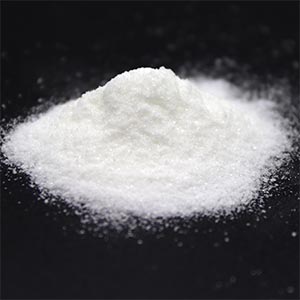
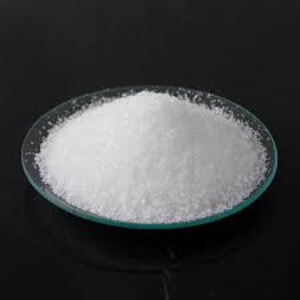
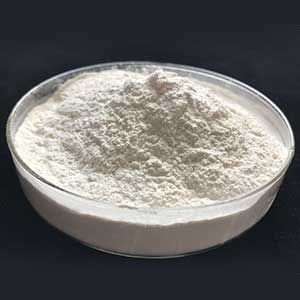
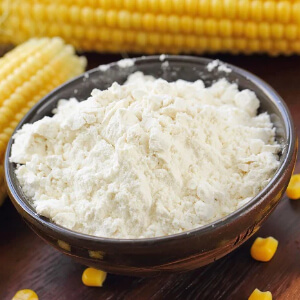
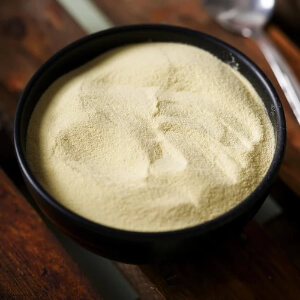
Maltodextrin (CAS: 9050-36-6) is a polysaccharide made from partial hydrolysis of corn, potato or tapioca starch. It has a mild, subtle sweetness and variable dextrose equivalent (DE) values between 3 and 20. This white powder dissolves easily in water, delivers quick digestible carbohydrates, and offers stable flowability for powder blends.
Its key functional traits include thickening, bulking, moisture retention and mild flavor masking. It serves as a cost-effective filler, energy booster and texture stabilizer. Common uses cover dietary supplements, sports nutrition powders, instant beverages, baked snacks, confectionery, and pharmaceutical oral excipients to optimize product consistency and shelf stability.
Specifications of Maltodextrin
| Characteristic | Result | UoM | Min | Max | Method |
|---|---|---|---|---|---|
| Moisture | 4.4 | % | — | 5 | CRA-MOIST.04 |
| Loose Bulk Density | 443 | GLI | 440 | 560 | CRA-BULKD.01 |
| Packed Bulk Density | 530 | GLI | 520 | 640 | CRA-BULKD.01 |
| Dextrose Equivalent | 17.3 | % | 16 | 19.9 | CRA-DEXTR.02 |
| Granulometry >400 micron | 0.13 | % | — | 7 | Food chemical codex method |
| Granulometry <63 micron | 26.3 | % | — | 35 | Food chemical codex method |
| pH | 5.1 | — | 4 | 6.5 | CRA-PHXXX.02 |
| Sulphur Dioxide | 7 | PPM | — | 10 | CRA-SULFU.01 |
| Total Plate Count | 80 | CFU | — | 500 | ISO 4833 |
| Yeasts | <10 | CFU | — | 50 | ISO 21527 |
| Moulds | <10 | CFU | — | 50 | ISO 21527 |
| Salmonella | Absent | — | — | — | ISO 6579:2002(E) |
| E.coli | Absent | — | — | — | ISO 7251 |
| Apparent Starch | Pass | — | — | — | CRA STARC02 |


Ingredients of Maltodextrin
1、Main Chemical Core Components
Maltodextrin is a water-soluble polysaccharide mixture produced by partial hydrolysis of starch, with the general molecular formula \((C_6H_{10}O_5)_n\). Its molecules consist of massive glucose units linked by glycosidic bonds, and its components vary with Dextrose Equivalent (DE):
Oligosaccharides (maltose, maltotriose, maltotetraose, etc.): the dominant fraction that determines flowability and solubility;
Short-chain dextrins: longer polysaccharide chains that deliver thickening and binding properties;
Small amounts of free glucose and maltose: higher DE values mean higher proportions of monosaccharides and disaccharides, resulting in stronger sweetness.
2、Natural Minor Intrinsic Substances
Pure food-grade maltodextrin contains no artificial additives, only trace natural substances from raw materials and processing:
Moisture: normally 3%–6%, which affects caking tendency of powder;
Trace sulfur dioxide: residue from hydrolysis and decolorization, ≤10 ppm for compliant food-grade products;
Trace ash (minerals): inorganic salts such as potassium, calcium and magnesium inherent in starch;
Ultra-trace plant protein and fat: residual after starch purification with extremely low content.
3、Raw Material Source Composition
Industrial maltodextrin is made from plant starch, mainly corn starch, tapioca starch and potato starch. The raw materials only contain starch and water, free of gluten and lactose.
4、Substances Not Contained in Pure Maltodextrin
Gluten-free, lactose-free, cholesterol-free, fat-free, free of artificial colors, flavors and preservatives (only trace sulfur dioxide from processing, not added preservatives).
Supplementary Note
In compound powder blends (e.g. NAC, amino acid supplements), maltodextrin acts merely as filler carrier. Amino acids and active ingredients in the final product are not intrinsic components of maltodextrin itself.
Benefits & Functions of Maltodextrin
To describe the effects of maltodextrin, a distinction must first be made between regular maltodextrin and resistant maltodextrin (also known as indigestible dextrin) , as they have fundamentally different roles in the human body.
1. Regular Maltodextrin: A Source of Energy and Food Additive
Regular maltodextrin is a polysaccharide produced by hydrolyzing starch (e.g., from corn, rice, tapioca). Its primary “effects” are seen in food processing and rapid energy provision:
Rapid Energy Supply: Maltodextrin is essentially an easily digestible and absorbable carbohydrate. It can be quickly broken down into glucose in the body to provide energy. In sports nutrition, it serves as a carbohydrate source that may help enhance exercise endurance. A 2024 rat study found that those supplemented with maltodextrin showed significantly longer exhaustive swimming times and increased glycogen reserves in their liver and muscles. Additionally, some research suggests that a maltodextrin-fructose combination may help reduce inflammatory responses following high-intensity endurance exercise.
Improving Food Properties: This is its most common application in the food industry. As a versatile food additive, it serves many functions:
Thickener and Bulking Agent: It increases the viscosity and volume of food and improves texture, often used in beverages, candies, milk powder, and pastries.
Fat Replacer: It can mimic the smooth mouthfeel of fats, making it useful in producing low-fat ice cream, salad dressings, and other products to reduce caloric content.
Carrier and Stabilizer: It acts as a carrier for flavors, colors, or oils to create powdered food products or stabilize product forms.
Important Note: Regular maltodextrin has a high glycemic index, and its effect on raising blood sugar can be comparable to that of table sugar. Therefore, it is not suitable for diabetic patients or individuals who need to strictly control their blood glucose levels to consume in large quantities.
2. Resistant Maltodextrin (Indigestible Dextrin): A Dietary Fiber
Unlike regular maltodextrin, resistant maltodextrin is a water-soluble dietary fiber that resists digestion by human enzymes. Its effects are primarily centered on improving gut health.
Improving Constipation: This is the most core and well-researched effect of resistant maltodextrin. A meta-analysis encompassing 29 randomized controlled trials clearly indicated that the intake of resistant maltodextrin can significantly increase stool frequency and fecal volume, playing a positive role in alleviating constipation. Its mechanism involves increasing fecal bulk, softening the stool, and promoting intestinal motility. Recent animal studies have also confirmed that maltodextrin intervention can shorten the time to the first black stool defecation in constipated mice and help regulate the balance of gut microbiota.
Regulating Blood Sugar and Lipids: As a soluble dietary fiber, resistant maltodextrin forms a gelatinous mucus in the digestive tract, which can slow down the absorption of sugars and fats. This helps stabilize post-meal blood sugar levels and inhibit fat absorption. A 2025 clinical trial found that an oral nutritional supplement containing resistant maltodextrin significantly reduced participants’ glycated hemoglobin (HbA1c) levels after 12 weeks of intervention.
Acting as a Prebiotic: It can be fermented and utilized by beneficial bacteria in the gut, promoting the growth of beneficial strains (such as certain species of Lachnoclostridium and Roseburia), thereby improving the gut microecological environment.

The Application of Maltodextrin
1. Dietary Supplement Industry
Maltodextrin is the most widely used carrier for powdered supplements. It is commonly applied in NAC, glycine, compound amino acids, vitamins, sports protein powder and other products. It dilutes active ingredients, improves powder flowability, prevents moisture absorption and caking, and masks bitter or unpleasant odors of raw materials. As a fast carbohydrate energy source, it is popular in fitness and meal replacement powders. It also stabilizes active substances and extends the shelf life of finished goods.
2. Food Processing Industry
Instant foods: milk tea powder, fruit juice powder, oatmeal and meal replacement shakes. It acts as a thickener and spray-drying protective agent to deliver better dissolving texture.Baked goods & confectionery: biscuits, pastries and soft candies. It optimizes fluffy texture, balances sweetness and stops sugar crystallization.Meat products & snacks: locks moisture to prevent dryness and improve mouthfeel.Solid drinks & infant complementary food: mild and low-irritating, serving as a basic carbohydrate source.
3. Pharmaceutical Excipient Industry
It serves as an auxiliary material for oral preparations such as capsule powder, tablets, traditional Chinese medicine granules and cough granules. As a filler and binder, it facilitates tableting, enhances the solubility of medicines and avoids precipitation of active pharmaceutical ingredients. It owns stable physical and chemical properties and meets pharmaceutical safety specifications.
4. Feed, Flavor & Fragrance Industry
It dilutes edible flavors and trace feed additives to achieve even dispersion of minor components. It also works as a carbohydrate energy source to raise palatability of livestock and poultry feed.
5. Other Fields
It is used as a carrier and stabilizer in daily chemicals and biological fermentation to adjust system viscosity and moisture content.
Is Maltodextrin Natural Or Artificial?
1. Core Conclusion
Maltodextrin is not an artificially chemically synthesized substance. It is a refined carbohydrate ingredient deeply processed from natural plant starch via biological and physical treatments. There is a fundamental difference: artificial synthesis creates brand-new substances through chemical reactions of industrial raw materials, while maltodextrin only moderately breaks down natural starch molecules without synthetic chemical reactions.
2. Natural Raw Material Sources
It is manufactured from edible starch extracted from natural crops including corn, tapioca, potato and rice. Starch itself is polysaccharide naturally produced by plants, so maltodextrin has a natural botanical foundation from the source.
3. Production Process: Biohydrolysis Dominant, No Chemical Synthesis
Most industrial production adopts enzymatic hydrolysis. Food-grade amylase breaks long starch chains, simulating the natural biochemical process of starch digestion in human bodies. A small number of lines use mild acid hydrolysis, followed by full neutralization and acid removal. The whole process contains no organic chemical monomers or catalysts to synthesize new molecules. Subsequent steps are only physical purification: decolorization, filtration and spray drying. The final product is entirely composed of glucose units, short-chain fragments of natural starch molecules, with no brand-new chemical structures artificially created in labs.
4. Distinction Between “Natural-Sourced Ingredient” and “Unprocessed Whole Food”
Classification: Food regulatory authorities (FDA, China GB/T 20882) uniformly classify maltodextrin as a processed natural botanical ingredient, not an artificial synthetic additive.Misconception correction: Though naturally derived, it is highly refined. Proteins, fiber and minerals native to raw starch are removed, leaving only pure carbohydrate polysaccharides. It cannot be equated with whole natural grains.Clear boundary: Artificial synthetic chemicals (plastics, synthetic food colorants) are made from petroleum or chemical monomers, which is completely different from maltodextrin’s starch hydrolysis route.
5. Final Summary
Derived from natural crop starch and produced via biohydrolysis plus physical refining, maltodextrin is not chemically synthesized. Its accurate definition: a deeply processed carbohydrate ingredient of natural plant origin.
Who Shouldn't Consume Maltodextrin?
Who should avoid maltodextrin? A detailed analysis Based on available medical evidence, the following groups of people need to pay special attention to or avoid consuming maltodextrin.
Populations Requiring Close Attention
People with diabetes and those needing strict blood sugar control
This is the most critical group to be aware of. Maltodextrin is essentially a small-molecule sugar and can raise blood sugar as quickly as table sugar. A report noted that a 62-year-old man experienced a life-threatening blood sugar spike (74.71 mmol/L) requiring emergency care after consuming a meal replacement powder primarily composed of maltodextrin. Many foods labeled “sugar-free” may contain maltodextrin, which can also cause rapid blood sugar increases and is unsuitable for diabetic patients.
Premature infants and infants with fragile intestinal function
While maltodextrin is sometimes used in infant formula to improve texture and solubility, a 2022 case report issued a clear caution regarding its use. The report described a premature infant (born at 27 weeks) who developed severe abdominal distension, painful spasms, and diarrhea after being supplemented with maltodextrin, eventually requiring hospitalization and discontinuation of the supplement. The researchers therefore advise that the use of maltodextrin in vulnerable populations like premature infants requires extreme care.
People with Inflammatory Bowel Disease (IBD) or those at high risk
Animal studies suggest maltodextrin may increase the risk of intestinal inflammation. One study showed that mice fed maltodextrin developed more severe colitis and lost more weight when the condition was induced. The proposed mechanism involves maltodextrin triggering endoplasmic reticulum stress in the gut, leading to the depletion of the protective intestinal mucus layer. This suggests that maltodextrin could be a potential risk factor for individuals with Crohn’s disease or ulcerative colitis.
Other Considerations
Based on current evidence, people with celiac disease (gluten allergy) can safely consume maltodextrin. A randomized controlled trial involving 90 celiac patients confirmed that daily intake of maltodextrin, even when derived from wheat, did not damage the small intestinal mucosa or trigger inflammation. Additionally, although maltodextrin is easily digestible and can be a source of energy for those with severely compromised digestion, its vitamin and mineral content is low, and it should not be used as a sole source of nutrition.
Why choose to buy Chempora Maltodextrin ?
Choosing to buy Maltodextrin from Chempora offers several key advantages:
1. High-Quality Product
Chempora ensures that the Maltodextrin supplied is of high purity, meeting international quality standards, so you can trust its effectiveness and safety in formulations.
2. Reliable Sourcing
As a global supplier, Chempora has established partnerships with trusted manufacturers, ensuring a consistent and reliable supply of L-Citrulline DL-Malate.
3. Competitive Pricing
Through its international trade network and efficient sourcing, Chempora can offer cost-effective pricing without compromising quality, making it a great option for bulk purchasing.
4. Compliance with Regulations
Chempora ensures that all products meet local and international regulatory requirements, whether for food, cosmetics, or pharmaceutical use, providing peace of mind regarding legal compliance.
5. Customization & Technical Support
Chempora offers customized packaging and provides technical support to assist with formulation, ensuring that thioctic acid works optimally in your specific product line.
6. Strong Customer Service
With its expertise in the industry, Chempora provides excellent customer service, addressing inquiries and resolving issues quickly to keep your production process smooth.
7. Global Reach
As a supplier serving a wide range of industries and countries, Chempora offers logistical advantages, ensuring timely delivery and consistent supply, no matter where you’re located.
Contact Us
CHEMPORA CO., LIMITED
Contact Person: Mr. Stephen Dean
WhatsApp & Wechat: +8615026665594
E-mail: info@chempora.com
By purchasing Maltodextrin from Chempora, you benefit from high-quality products, competitive prices, and reliable customer support, ensuring your production runs smoothly.
More Product Recommendations
Chempora is a professional supplier of nutritional supplements, food additives, and feed additives. In addition to providing you with Maltodextrin , we can also provide you with other food additives. We look forward to your message.